This is a list of movies that I have watched since I began keeping track in mid-2015, with a short verdict for each.
Read more »
This is a list of movies that I have watched since I began keeping track in mid-2015, with a short verdict for each.
Read more »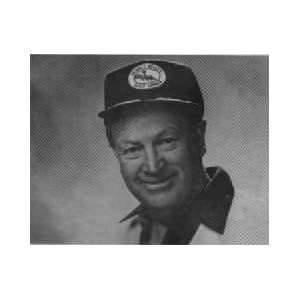
Sometimes I have trouble sleeping, and this can have severe consequences the following day, especially if it is a workday. I figured that over the years, many techniques must have been devised for helping people fall asleep, especially in high-stakes settings such as professional sports, key value driving professions, the military, etc. So, I asked A.I., and it found me this technique, developed by famous U.S. track coach Lloyd Bud Winter, originally intended to help Olympic athletes relax, and later adopted by the U.S. military. It can, supposedly, make someone fall asleep within a couple of minutes.
Read more »
Around the turn of the millennium me and my girlfriend at the time, Angelica, decided to spend an Easter vacation in Aegina, a beautiful and serene little island just south of Athens. During that period of time Angelica was volunteering for the Greek Center for the Protection of Wild Animals (Ελληνικό Κέντρο Περίθαλψης Αγρίων Ζώων / ΕΚΠΑΖ / EKPAZ) in Athens, and we had both been volunteers at Greenpeace Greece for several years already. As such, we were in a sense insiders of the relatively small environmental movement of Greece. So, we were told that while we were in Aegina we could go visit the new facilities of EKPAZ on the island; they would be closed to the public due to Easter, but the personnel would be there, and they would be happy to receive us and show us around.
Read more »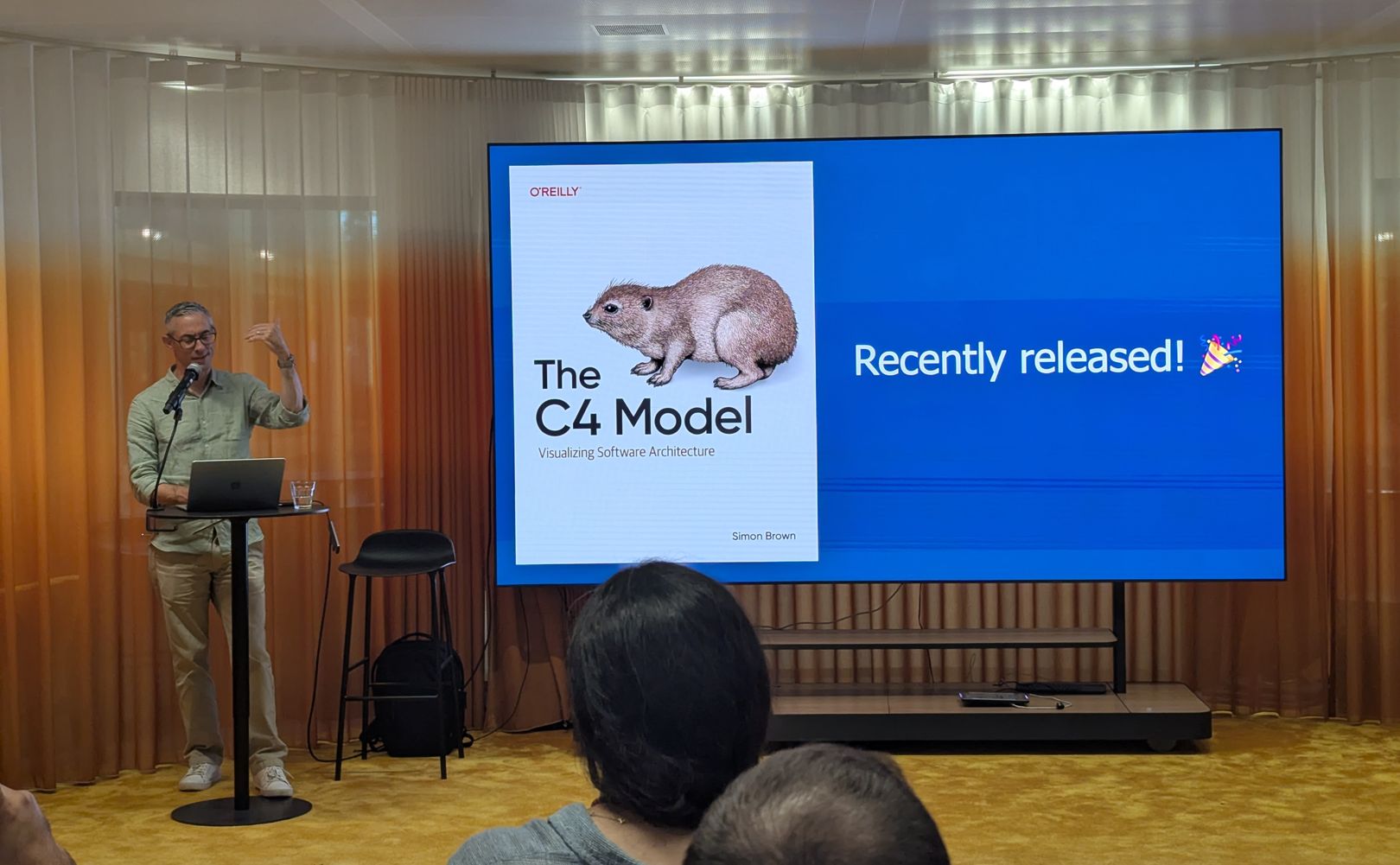
I went to see a talk by Simon Brown organized by the Amsterdam Java Users Group (JUG) in the (quite awesome, to be honest) facilities of Miro in Amsterdam. (Facilities tour on YouTube)
Read more »
The previous post in this series is here: Buienradar vs. Buienalarm: 1-0
Below are two screenshots of the two websites as they looked in the morning.
Buienradar was predicting dry weather, Buienalarm was predicting light rain.
Then below them is a photo of the great outdoors, taken from my apartment, in the afternoon.
Read more »
In our codebase at work, I had to enable DotNet Code Analysis Rule CA1051 "Do not declare visible instance fields". To do that, I had to figure out a way of automatically converting thousands of instance fields to properties. This is how I did it.
Read more »